Math Rules SVG: A Designer's Take on School Spirit Stitching
When I first pulled up the Math Rules SVG file on my screen, my immediate reaction was one of nostalgic amusement mixed with professional curiosity. As someone who spends most of their day evaluating digital embroidery files for commercial viability, I look for more than just a cute shape; I look for stitchability, market appeal, and versatility. This design, categorized under Crafts and Graphics, immediately struck me as a perfect candidate for the back-to-school rush or a teacher appreciation gift. However, before committing thread to fabric, it is essential to break down how this specific asset performs in a real-world embroidery project.
First Impressions and Visual Personality
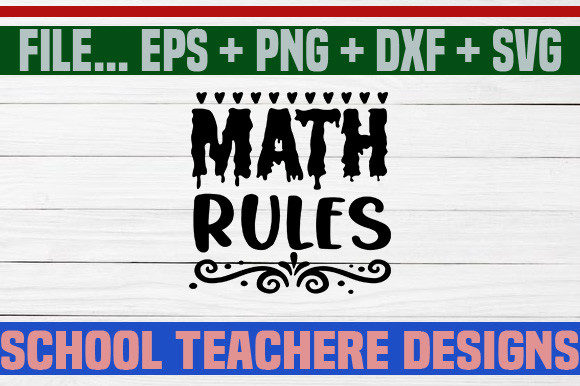
The visual personality of the Math Rules SVG is bold and declarative. In the world of small shop products, clarity is king. Customers scrolling through an Etsy seller's inventory need to understand the message instantly. This design delivers that punch. The typography appears sturdy, which suggests it will translate well into a fill stitch or a thick satin stitch without losing legibility. For a designer, the layout feels balanced, avoiding the common pitfall of overly intricate details that get lost once the machine starts running.
The mood here is playful yet authoritative, fitting perfectly for educational settings. It creates an instant connection with teachers, math tutors, and even students who take pride in their numerical skills. When considering this as a design asset for a craft business, the simplicity works in your favor. It allows you to focus on fabric selection and thread color combinations rather than fighting with complex digitizing issues.
Real-World Application: The Teacher Tote Scenario
To truly test the potential of this file, I imagined a specific client request: a custom tote bag design for a high school mathematics department head. She needed something durable enough to carry textbooks and graded papers but stylish enough to wear during spirit week. The Math Rules SVG seemed like the ideal centerpiece.
In this scenario, the design would likely be applied to a heavy canvas tote. Because canvas has a distinct fabric texture, the design needs enough density to sit on top of the weave rather than sinking into it. If you are using this as a standard machine embroidery design, you must ensure your stitch density is adjusted accordingly. A light run of stitches might look sparse on canvas, diminishing the perceived value of the handmade product. Conversely, on a smoother fabric like a poly-cotton blend t-shirt, the same file might require less density to prevent puckering.
For a sweatshirt embroidery project, perhaps for a student club or a faculty lounge hoodie, the design offers excellent coverage. The bold lines of the text would stand out beautifully against fleece or French terry cloth. Here, the choice of thread colors becomes critical. A classic navy blue sweatshirt with white or school-color thread would create a collegiate feel, while a pastel hoodie with contrasting brights could appeal to younger demographics. The versatility of the Math Rules SVG allows it to pivot between these aesthetics simply by changing the palette.
Navigating Technical Challenges
While the design is promising, a responsible reviewer must highlight where caution is needed. Not every surface is suitable for every file. If you plan to use this on a curved surface, such as a cap, you need to be wary of distortion. The straight lines in the text could warp if the hoop size isn't managed correctly or if the stabilizer isn't robust enough. For caps, I always recommend a stiff cut-away stabilizer to maintain the integrity of the lettering.
Another consideration is the scale. If a customer requests a tiny version of this design for a baby embroidery project, like a onesie chest pocket, you must check the legibility. Small text in an embroidery file can easily turn into a blob of thread if the original vector paths are too close together. Before stitching on the final garment, always run a test on scrap fabric of the same weight. This is non-negotiable for maintaining customer trust and ensuring brand consistency.
Furthermore, consider the fabric color. While the design likely works well on light backgrounds, dark fabrics may require an underlay stitch or a backing layer to prevent the fabric color from showing through the stitches, which can muddy the crispness of the "Math Rules" message. Testing the design in black and white mockups before purchasing thread can save you time and money, helping you visualize contrast issues early.
Commercial Viability and Market Fit
For commercial embroidery professionals and digital product sellers, the Math Rules SVG represents a low-risk, high-reward opportunity. It fits neatly into seasonal marketing strategies, particularly in late summer and early autumn. Beyond apparel, think about home goods. A kitchen towel with this design makes a humorous holiday gift for the family member who insists on calculating the tip at dinner. A pillow cover in a home office adds a touch of personality to a Zoom background.
The key to maximizing the value of this Graphics asset lies in presentation. When listing this as part of your Etsy listings or printable mockup portfolio, show the design in context. Display it on a variety of items—aprons, patches, blankets—to demonstrate its flexibility. Buyers engage more deeply when they can visualize the finished product in their own lives.
Final Verdict and Designer Notes
In conclusion, the Math Rules SVG is a solid addition to any creative entrepreneur's library. It balances thematic relevance with technical feasibility. However, success depends on execution. Here are my final practical notes for anyone planning to use this file:
- Test First: Always stitch a sample on scrap fabric that matches your final material's weight and texture.
- Check Licensing: Since this is a digital item for instant download, confirm the license terms regarding commercial use before selling finished items.
- Stabilizer Selection: Match your stabilizer to the fabric; stretchy fabrics need cut-away, while stable wovens can often use tear-away.
- Thread Contrast: Ensure high contrast between thread and fabric for maximum readability, especially for text-heavy designs.
- Detail Inspection: Zoom in on the digital file to check for tiny corners or overlapping paths that might cause thread breaks.
By approaching the Math Rules SVG with a critical eye and a strategic plan, you can transform a simple digital file into a standout personalized gift or a best-selling custom apparel item. It is a reminder that in our industry, the best designs are those that not only look good on the screen but survive the rigors of the needle and thread with style.