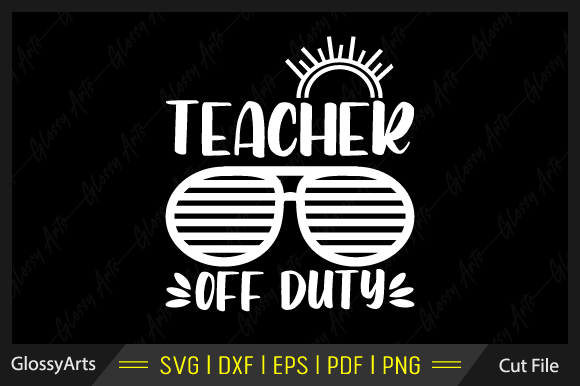
Reviewing the Teacher Off Duty SVG for Embroidery
As a designer who spends more time staring at stitch simulations than I care to admit, I approach every new digital embroidery file with a mix of curiosity and skepticism. We have all been there: you download a cute graphic, load it into your software, and realize too late that the lines are too thin for a satin stitch or the details will vanish on textured fabric. Today, I am taking a close look at the Teacher off Duty Svg Printable Cut File. While this product is categorized under Crafts and Graphics, my focus is strictly on how it translates from a screen vector to a tangible, stitched reality.
First Impressions and Visual Personality
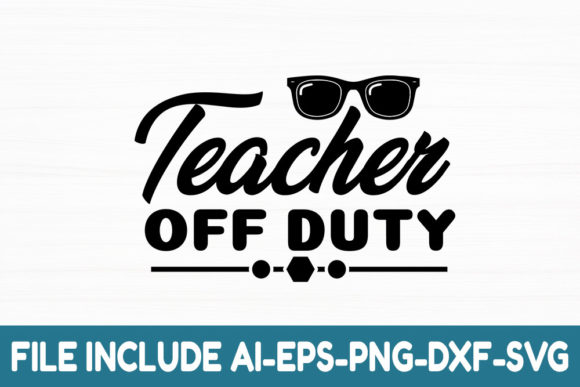
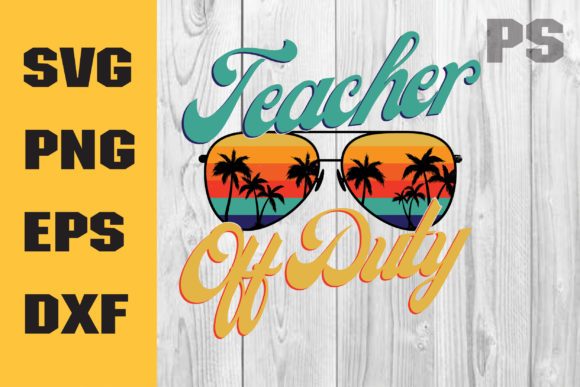
The phrase "Teacher Off Duty" carries a specific cultural weight. It suggests relaxation, humor, and a well-deserved break from the classroom chaos. When I first opened the file to inspect the layout, I was looking for balance. Does the typography dominate? Is there enough negative space for the stitches to breathe? The design feels playful yet clean. For an embroidery project, this is crucial. Overly complex scripts can turn into a tangled mess of thread breaks and bird nests, while blocky, simple fonts often lack personality.
This particular design strikes a nice middle ground. The visual mood is lighthearted, making it an ideal candidate for personalized gift items. It does not scream for attention with excessive ornamentation, which means it relies heavily on execution. As a reviewer, I appreciate designs that leave room for the maker’s choice in thread colors and fabric selection. It feels versatile, fitting naturally into the world of custom apparel without feeling generic.
Real-World Application: The Tote Bag Test
To truly evaluate a design, you have to imagine it on a product. Let us consider a classic use case: a canvas tote bag design. Teachers carry books, papers, and supplies daily. A sturdy tote with this embroidery would be both functional and symbolic. In this scenario, the Teacher off Duty Svg Printable Cut File performs well because the likely lettering style allows for a dense, readable fill.
If I were stitching this for a client, I would opt for a contrasting thread color against a natural or dark canvas. The key here is stitch density. If the design is converted directly from SVG to a stitch file without proper digitizing adjustments, it might pull the fabric. However, assuming the user digitizes it correctly or uses a pre-digitized version compatible with their machine, the result should be crisp. It transforms a simple bag into a handmade product that speaks to the buyer’s identity. This is exactly what Etsy seller audiences are looking for: items that feel personal and professionally finished.
Navigating Fabric and Hoop Constraints
Not every surface is friendly to every design. When working with sweatshirt embroidery, the texture of the fleece or cotton blend can swallow small details. If this SVG contains fine lines or tiny decorative elements, they may get lost in the pile of the fabric. I recommend using a higher contrast thread or slightly increasing the scale of the design when working on textured materials like hoodies or towels.
Another critical consideration is the hoop size. If you are aiming for a subtle chest logo on a polo shirt, you need to ensure the design fits within a 4x4 or 5x7 hoop without losing legibility. Conversely, if you are creating a large back piece for a jacket, you must check if the SVG scales up without becoming pixelated or requiring excessive stitch counts that could stiffen the garment. Always test on scrap fabric first. This is non-negotiable for professional commercial embroidery work.
For baby embroidery projects, such as a onesie or a soft blanket, the hand-feel matters. A dense fill stitch can feel scratchy against sensitive skin. In these cases, consider using a lighter weight stabilizer and perhaps adjusting the design to use more running stitch outlines rather than heavy fills, if the design structure allows. The goal is comfort alongside aesthetics.
Commercial Viability for Small Shops
For small shop product creators, versatility is king. This design fits neatly into several niches: end-of-year teacher gifts, back-to-school promotions, or even casual weekend wear for educators. The term "Off Duty" implies leisure, making it perfect for holiday embroidery projects where teachers might want something fun for summer breaks or winter holidays.
When listing this as part of your design assets or finished goods, presentation is everything. Use high-quality printable mockup images to show potential buyers how the design looks on different items. Since this is a digital embroidery file intended for download, your customers will rely on your photos to visualize the final outcome. Show it on a mug, a t-shirt, and a tote. Demonstrate its flexibility.
However, a word of caution regarding licensing. The product description states this is for digital download only. It is vital to confirm whether the license permits commercial use of the finished product. Many designers allow you to sell physical items made with their files but prohibit reselling the digital file itself. Always read the terms carefully to protect your craft business from legal issues.
Technical Notes for the Maker
Before you hit "start" on your machine, keep these practical tips in mind:
- Stabilizer Selection: Use a cut-away stabilizer for stretchy fabrics like t-shirts to prevent distortion over time. For woven fabrics like tote bags, a tear-away may suffice, but cut-away offers more durability for frequent washing.
- Thread Contrast: Test the design in black and white first. If the design loses its shape without color, it may need simplification or bolder lines.
- Digitizing Check: If you are converting the SVG yourself, pay attention to corner sharpness. Sharp corners in vectors often need underlay stitches to maintain shape in embroidery.
- Fabric Texture: Avoid using this on highly textured fabrics if the design relies on thin lines. The texture will break up the visual continuity.
Final Verdict
The Teacher off Duty Svg Printable Cut File is a solid addition to any designer’s library, provided it is treated with the technical respect it deserves. It is not just a graphic; it is a blueprint for a finished product that connects with a specific audience. Its strength lies in its relatability and clean aesthetic. For appliqué design enthusiasts, it could also serve as a base for layered fabric projects, adding dimension to the text.
Whether you are creating an embroidered patch for a staff lounge or a custom cap for a favorite educator, this design holds up. It requires thoughtful execution regarding stabilizer choice and thread selection, but the payoff is a professional, engaging item that sells itself. For creative entrepreneurs looking to expand their teacher-themed offerings, this is a worthwhile investment. Just remember: the file is only as good as the stitches that bring it to life.