Sports Decal SVG: Graphics for Crafts & Branding
As a brand designer and content marketer, my first step in any campaign is auditing the visual assets. Recently, while developing a seasonal launch for a local athletic apparel boutique, I reviewed the Sports Decal SVG collection to see if it could anchor our visual identity. In the crowded landscape of small business branding, the difference between a professional look and a messy one often comes down to the quality of your graphic design asset. This review breaks down how this specific file performs in real-world marketing scenarios, from social media graphics to physical merchandise.
First Impressions and Emotional Tone
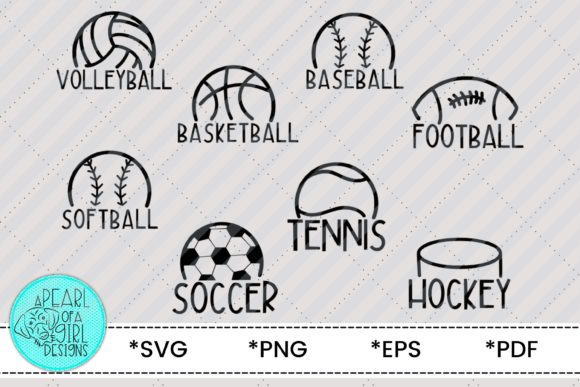
Upon opening the ZIP file, the immediate impression is one of energetic versatility. The Sports Illustration elements included—covering baseball, softball, football, and more—carry a bold, dynamic mood that instantly communicates action and community. For a brand targeting high school athletes or weekend warriors, this emotional tone is crucial. It feels suitable for casual branding and lifestyle content rather than stiff corporate communications. The lines are clean, suggesting a modern design aesthetic that avoids looking dated or clipart-heavy. When placed against a neutral background, the illustrations create a strong focal point, essential for capturing audience attention in a fast-scrolling feed.
Integrating into a Real Marketing Campaign
To test its practical value, I imagined a scenario where a small business is launching a "Back to School" sports gear collection. The Sports Decal SVG fits seamlessly into this workflow. For social media graphics, specifically Instagram posts and Pinterest pins, the vector nature of the SVG allows for infinite scaling without pixelation. I could easily recolor the elements to match the brand's specific palette, ensuring visual hierarchy remains intact.
Beyond digital ads, this asset shines in physical applications. Because the package includes formats like PNG, EPS, and PDF, it is ready for cutting machines and sublimation. This means the same design used in a Facebook ad can be printed on product labels, packaging inserts, or even heat-pressed onto t-shirts. This consistency across touchpoints builds audience trust; customers recognize the brand whether they are viewing a digital flyer or holding a physical product. For content creators selling digital products, these files serve as excellent components for DIY Canva templates or printable design bundles.
Strategic Applications for Brand Identity
The versatility of this design bundle supports various marketing goals. Here is how it performs across different mediums:
- Logo Design & Brand Identity: While not a full logo kit on its own, specific icons from the set can act as secondary marks or badges for team logos, adding a layer of professional branding.
- Packaging Design: The illustrations work beautifully as decorative accents on boxes or bags, elevating the unboxing experience for Crafts and retail items.
- Editorial Design: For blog headers or newsletter banners, the SVG design provides a crisp illustration that breaks up text and improves readability.
- Merchandise: Ideal for creating stickers, decals, and apparel, directly supporting revenue streams for online coaches and product creators.
- Digital Ads: The high contrast of the PNG design options ensures visibility even in small mobile ad placements.
By using a cohesive set of illustrations, brands can achieve a stronger recognition factor. When a customer sees the same stylistic treatment on a website header and a physical sticker, it reinforces memory retention and makes the campaign visuals more memorable.
Where This Asset Shines Brightest
This graphic design asset is best utilized in hero graphics and campaign headers where visual impact is the primary goal. It excels in product launch visuals where you need to quickly communicate the theme—sports and activity—without relying solely on text. It is also perfect for branded templates sold on creative marketplaces, offering buyers a plug-and-play solution for their own content marketing. For event promotions, such as local tournaments or school fundraisers, these illustrations provide the necessary energy to drive engagement on posters and flyers.
Cautions and Limitations for Designers
However, every designer knows that context is king. There are situations where the Sports Decal SVG should be used carefully. In formal corporate branding or dense information layouts, these bold illustrations might compete with the main message, causing visual clutter. They are less effective in overly minimal brands that rely on vast negative space, as the detailed nature of the sports figures can disrupt that balance. Additionally, when used in text-heavy ads or on low-contrast backgrounds, the intricate lines of the clipart may lose definition. Always ensure the asset supports the copy rather than overpowering it.
Practical Notes for Professional Implementation
Before integrating these files into a client project or a paid campaign, I recommend the following workflow to ensure commercial design standards are met:
- Test Color Palettes: Verify how the illustration looks when flattened into brand colors versus gradients.
- Check Monochrome Usage: Ensure the design holds up in black and white for faxed documents or single-color print runs.
- Mockup Integration: Place the asset inside real campaign mockups to judge scale and proportion.
- Mobile Preview: Always preview the graphic on mobile screens to confirm readability in small sizes.
- Font Pairing: Experiment with pairing the graphics against serif, sans serif, script, and display fonts to find the right voice.
- Licensing Verification: Confirm the commercial license terms before using in paid ads or client work to avoid legal issues.
In conclusion, the Sports Decal SVG is a robust tool for anyone looking to inject energy into their marketing visuals. Whether you are designing for Crafts, creating web design elements, or producing printable promotions, this asset offers the flexibility and quality needed for professional results. By understanding its strengths and limitations, brand owners and designers can leverage these design assets to create campaigns that not only attract attention but also build lasting brand equity.